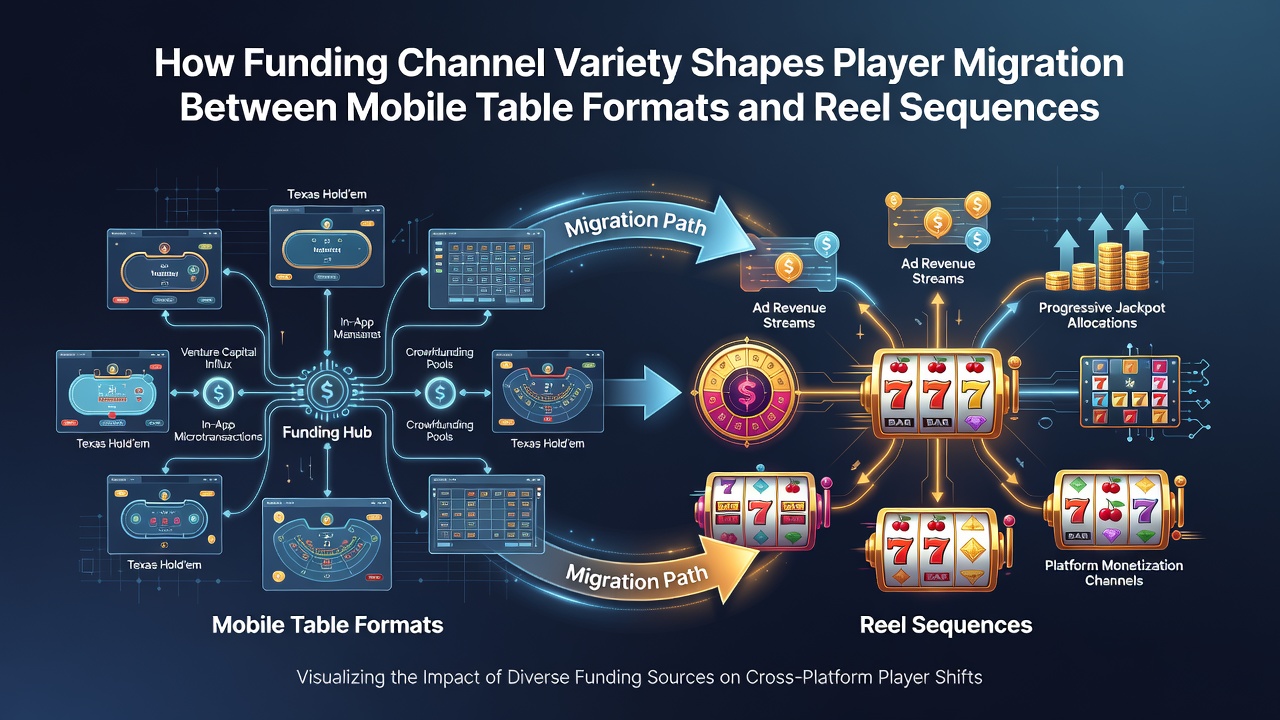
Payment Channel Diversity and Its Role in Mobile Player Shifts Between Tables and Reels
Payment options in mobile gaming continue to expand across different regions, and data from industry reports shows how these choices affect where players spend their time. Funding channel variety includes traditional cards, digital wallets, bank transfers, and cryptocurrency methods, each carrying distinct processing speeds and fee structures that influence session decisions.
Funding Methods and Platform Preferences
Research from regulatory bodies in multiple jurisdictions indicates that players using instant funding channels tend to move more frequently between table formats and reel sequences within single sessions. A report by the Australian Communications and Media Authority highlights how digital wallet adoption correlates with shorter transitions from live dealer tables to video slots on mobile devices. Those who rely on slower bank transfers often remain longer in one format before switching, according to transaction pattern analysis.
Figures released in September 2026 by North American gaming associations reveal that cryptocurrency deposits appear in higher percentages among users who alternate between blackjack tables and reel sequences during evening hours. This pattern holds across several operator datasets while traditional card payments show steadier engagement within single game categories.
Migration Patterns Across Formats
Observers tracking mobile behavior note that funding flexibility encourages exploration of both table games and reels rather than fixed loyalty to one type. When deposit options support small, repeated transactions without extra fees, players demonstrate increased movement between formats in the same app session. Industry studies from Canadian provincial regulators document similar trends where e-wallet users record more cross-format activity than those limited to wire transfers.
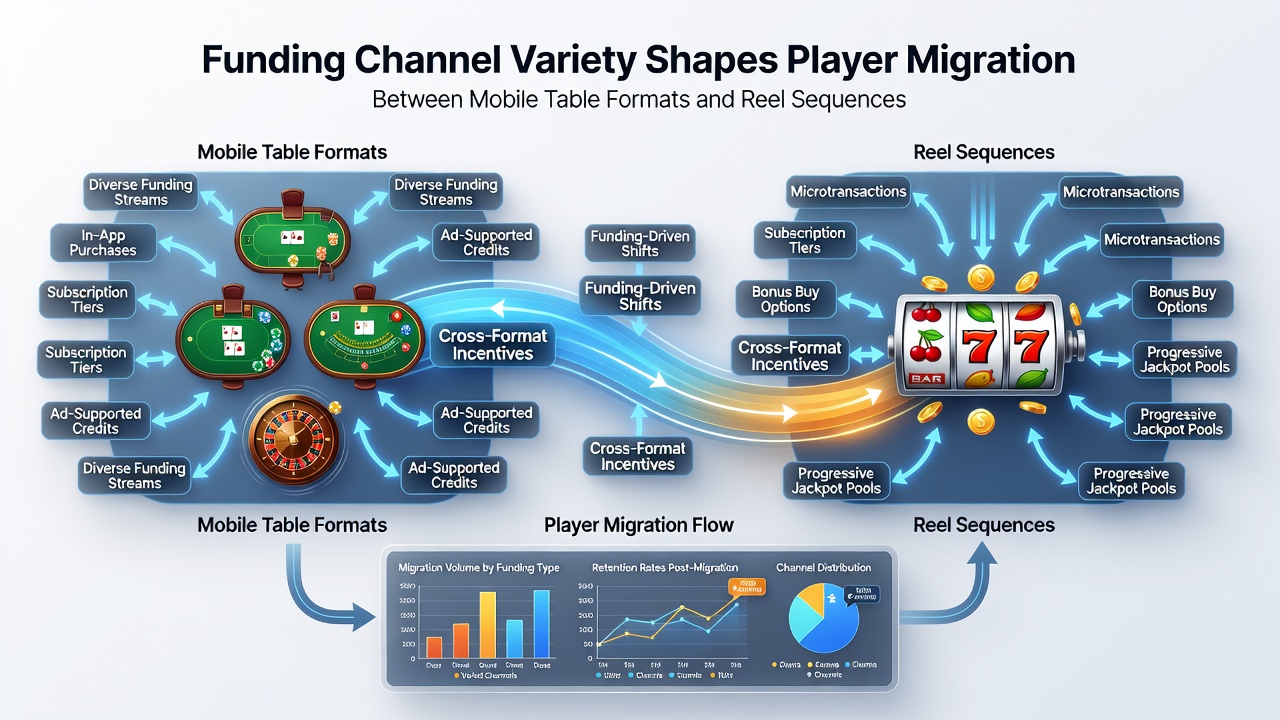
One analysis of session logs found that players accessing multiple funding channels completed an average of three format switches per hour, whereas single-channel users averaged fewer than one. These measurements come from aggregated operator data across European markets and align with patterns observed in Asia-Pacific regions during the same period.
Regional Data on Channel Impact
Statistics compiled by the Malta Gaming Authority show that platforms offering four or more funding methods retain users who alternate between table and reel content at higher rates than those limited to two options. The data covers activity from early 2026 through September and points to faster deposit confirmation times as a contributing factor in these migrations.
Academic research from institutions studying digital entertainment economics has examined how fee structures attached to certain channels affect play duration in each format. Lower-friction methods correlate with extended total playtime distributed across both tables and reels, while higher-cost options concentrate activity in one category.
Transaction Speed and Format Switching
Transaction records indicate that instant approval channels reduce hesitation when players decide to shift from a table game to reel sequences. This effect appears consistently in datasets from operators serving North American and Australian markets. Slower verification processes, by contrast, often keep users within their current format until the next deposit cycle.
Industry organizations tracking mobile trends report that players who combine wallet and crypto options exhibit the highest frequency of format changes during peak hours. These observations come from anonymized behavioral logs collected across multiple device types and operating systems.
Conclusion
Available evidence demonstrates clear connections between the range of funding channels and how players distribute time between mobile table formats and reel sequences. Transaction speed, fee structures, and approval processes each play measurable roles in migration frequency according to regulatory and industry datasets from various regions. Continued monitoring of these patterns will provide further insight as payment technologies evolve.